How Durable Undercarriage Parts Reduce Machine Downtime

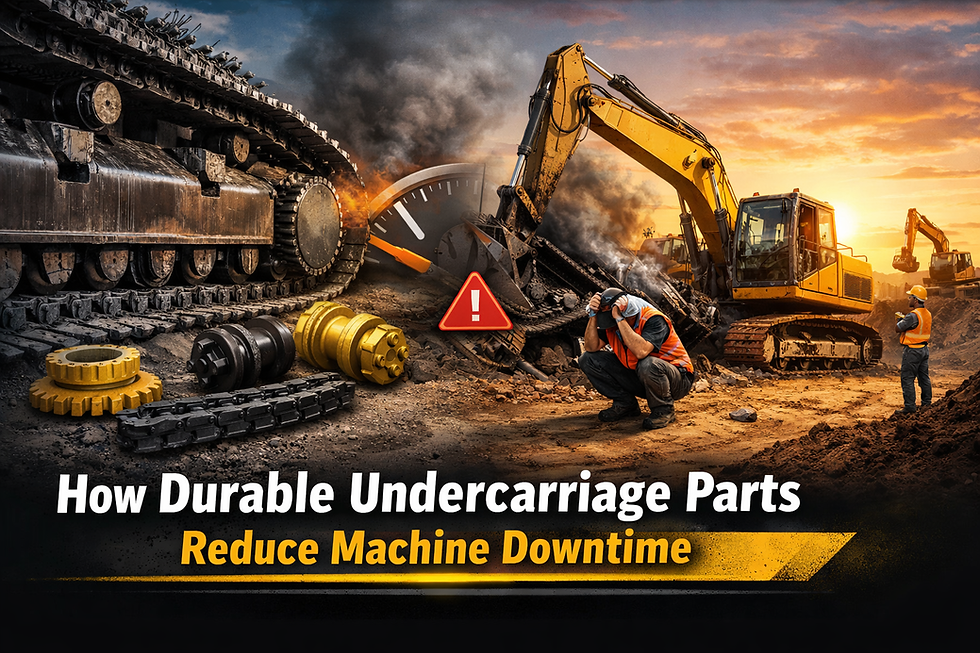
People who operate heavy equipment must manage their work because they handle expensive equipment. The undercarriage of tracked machinery is the primary maintenance expense throughout its operational lifespan. The complete production process will stop when these systems experience operational issues. Your business needs to avoid unplanned maintenance costs which exceed your financial budget. Reliable undercarriage excavator parts determine whether you stay on schedule or fall behind.
Machinery durability depends on metallurgy and engineering for each component. Poorly designed systems result in a complete operational breakdown. A single component fails, which starts a damaging process that affects the entire track assembly. High-integrity parts provide you with predictable service intervals. The maintenance schedule allows you to replace system components during scheduled operational pauses, rather than addressing urgent problems during active work periods.
Why Engineering Quality Matters for Long-Term Track Life
Undercarriage longevity starts with material integrity. You need components that feature deep-induction hardening. This specific heat-treatment process lets track links & rollers resist abrasive wear in the harsh terrains. The metal wears away rapidly if the hardening is too shallow. You then face early replacement costs that eat into your project margins.
Precision fitment is the next factor you must check. Exact tolerances in pins and bushings prevent internal snaking. If these parts do not fit perfectly, you will experience track pitch extension. This stretching causes the chain to misalign with the sprocket. The resulting friction generates extreme heat and accelerates the deterioration of your excavator's undercarriage.
Effective heat dissipation keeps your machinery moving during high-duty cycles. You should look for superior seals and lubricants within the rollers to prevent seizing. If heat cannot escape, the lubricants break down. Metal then grinds against metal. High-quality seals maintain internal pressure and prevent contaminants from entering the moving joints.
Spotting the Chain Reaction of Component Failure
You should consider how wear on one part affects the rest of the system. A worn-out sprocket's teeth profile rapidly destroys a brand-new track chain. The teeth no longer align properly with the chain links. This mismatch creates a grinding effect. You might save money by keeping an old sprocket, but you actually waste the value of your new chain.
You have two choices: the run-to-fail approach or the preventative replacement model. Waiting for a complete breakdown often causes secondary damage to the machine frame. This neglect results in much higher repair bills. Preventative replacement ensures you control the timeline.
Common Downtime Catalysts
Link rail collapse that leads to track shedding.
Seized idlers that cause excessive drag and waste fuel.
Guide guard deformation resulting in track misalignment.
A seized idler forces your engine to work harder. You will see your fuel costs rise before the part even stops moving. If your guide guards deform, the track chain cannot stay centred. This creates wear on the links that cannot be fixed. You end up replacing the whole chain early.
Managing Maintenance to Keep Your Machines Moving
Regular Inspections and Wear Measurements
You can track wear percentages using ultrasonic tools or callipers. Measuring the diameter of rollers and the height of track links tells you exactly how much life remains. You should consider turning the pins and bushings. By rotating them 180 degrees, you expose a fresh wear surface. This simple step can double the life of a track chain without requiring new parts.
Environmental Adaptations
You must select the right shoe width for your specific soil. If you work on soft ground, wide shoes provide better flotation. On hard rock, you need narrower shoes to reduce bending stress on the final drive. You also need to remove debris daily. Packing occurs when mud or rocks get trapped in the undercarriage. This increases track tension and creates immense friction on every component.
The True Financial Impact of Your Parts Selection
The hidden costs of downtime go far beyond the price of a single part. You have to pay for idle labour and face penalties for missed deadlines. A stationary machine earns nothing. If your primary excavator stops, your trucks and loaders stop as well. This ripple effect destroys the profitability of your entire site.
Total Cost of Ownership helps you see the long-term value. A higher initial investment in forged, heat-treated undercarriage excavator parts results in a lower cost-per-hour. Cheap parts wear out too fast. They also require more frequent labour for installation. Predictable scheduling allows you to plan maintenance during low-activity windows. You avoid the chaos of an emergency repair.
Essential Features of High-Performance Systems
Here’s what to look for-
Reinforced track frames that resist impact
Heavy-duty seals that prevent leaks in extreme heat or cold
Sprockets with deep hardening that match your chain specs
You must ensure that your replacement parts meet the original load-bearing specifications. Compatibility involves more than just fitting the part onto the machine. The metal must be strong enough to handle the weight and torque of heavy operation. If you use weak components, the vibration and stress will damage the more expensive machine housing.
Proactive Steps for Smart Fleet Management
You should implement a culture of cleanliness and checks at your workplace. Train your operators to spot early signs of undercarriage distress. They should listen for unusual grinding noises. They should also look for oil leaks or heat buildup around the rollers. Catching a leak early allows you to fix a seal before the entire roller seizes.
Use data to drive your replacement decisions. Hour-meter readings combined with wear charts allow you to forecast when you will need new parts. You can order your undercarriage excavator parts weeks in advance. This ensures they are ready in your shop exactly when you need them. You no longer have to rely on guesswork.
Reliability is Your Competitive Advantage
The undercarriage serves as the foundation of your machine's productivity. You cannot expect a high-output performance from a machine with a weak base. Reliability gives you a massive advantage in the B2B sector. Clients know they can trust your timelines. Choosing durable components is a strategic business move. It protects your project deadlines and your reputation.
Your construction work becomes safer when you prioritise engineering standards. Your capital investment needs protection. Your fleet remains operational because you use high-quality undercarriage components which support your business. Your business maintains profitability because your equipment system uses durable materials which function properly under extreme operational conditions.
FAQs
How do I identify wear on my undercarriage excavator parts?
You should measure the components regularly. Check the link height and the roller diameter against the original specifications. Look for signs of external damage, such as cracks or heavy scoring, on the bushings. If the track appears to be sagging more than usual, it often indicates that the internal pins and bushings are worn out.
Why does track tension matter for machine uptime?
If your tracks are too tight, you create excessive friction. This wears down the pins and bushings much faster than normal. If the tracks are too loose, they can slip off the rollers or idlers. Both situations lead to unplanned downtime and expensive repairs that you could have avoided with a simple daily adjustment.
Does working on rocky ground change my maintenance needs?
Yes, hard or rocky ground increases the impact stress on your excavator's undercarriage. You should inspect your track shoes and link rails more frequently in these conditions. The chain on rocky sites is more likely to trap debris due to site conditions. The links will bend under weight if you do not use narrower shoes to prevent them from bending.


Comments